Share


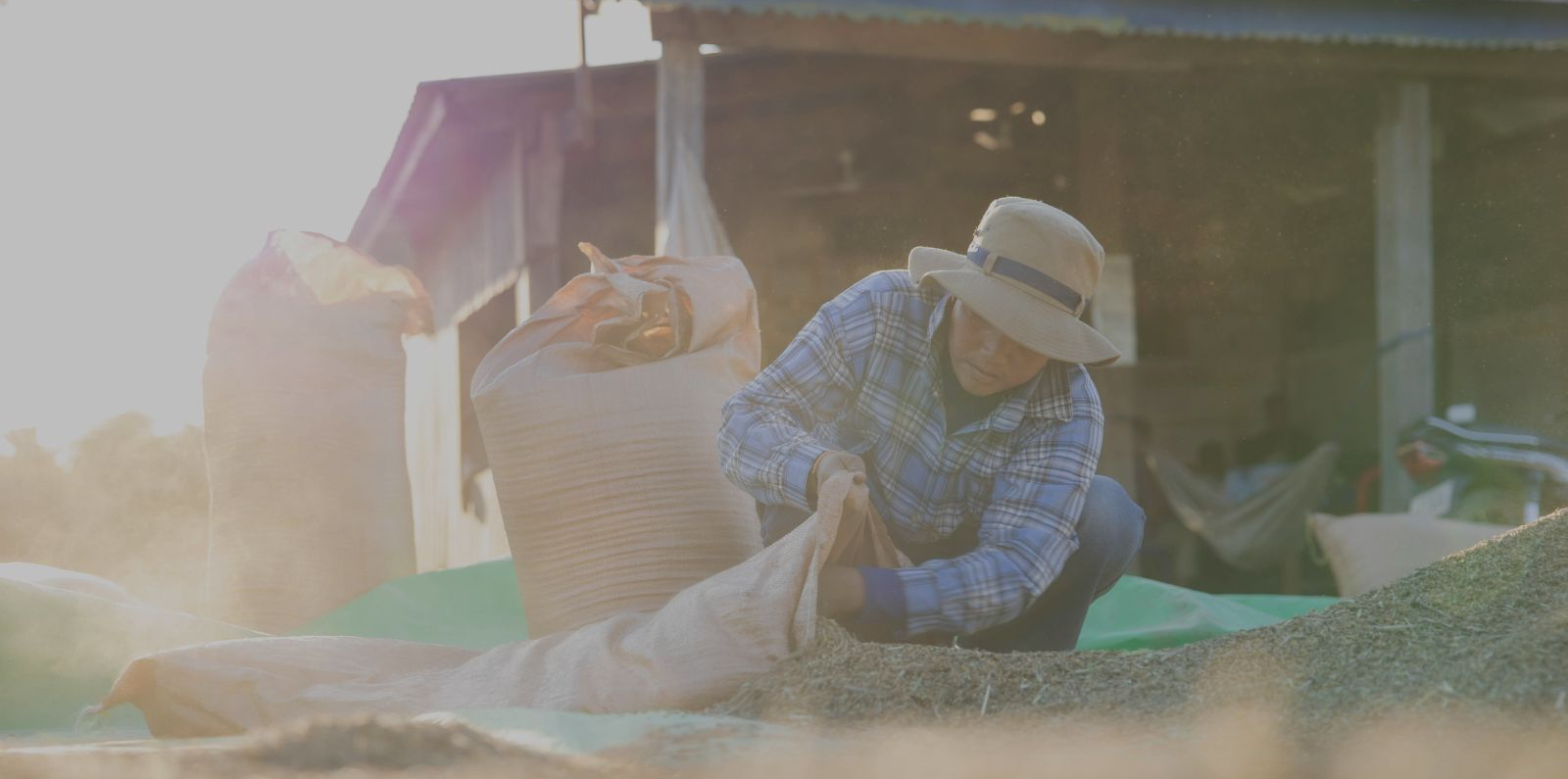
In the remote, rural landscapes of Mondulkiri Province in Northern Cambodia, smallholder agricultural communities, many from the Indigenous Bunong group, are facing the dual pressures of climate vulnerability and economic isolation. Yet through a powerful mix of climate-smart agriculture practices and training, families are improving their futures from the ground up.
At the center of this shift is the Building Back Better: Organic Agriculture for Smallholder Farmers in Northern Cambodia project. Funded by the Global Agriculture and Food Security Program (GAFSP), led by the United Nations World Food Programme (WFP), and implemented by the Cambodian Agricultural Cooperative Corporation (CACC), this project is equipping more than 2,000 farmers with the tools to boost their livelihoods, improve family nutrition, and achieve economic independence.
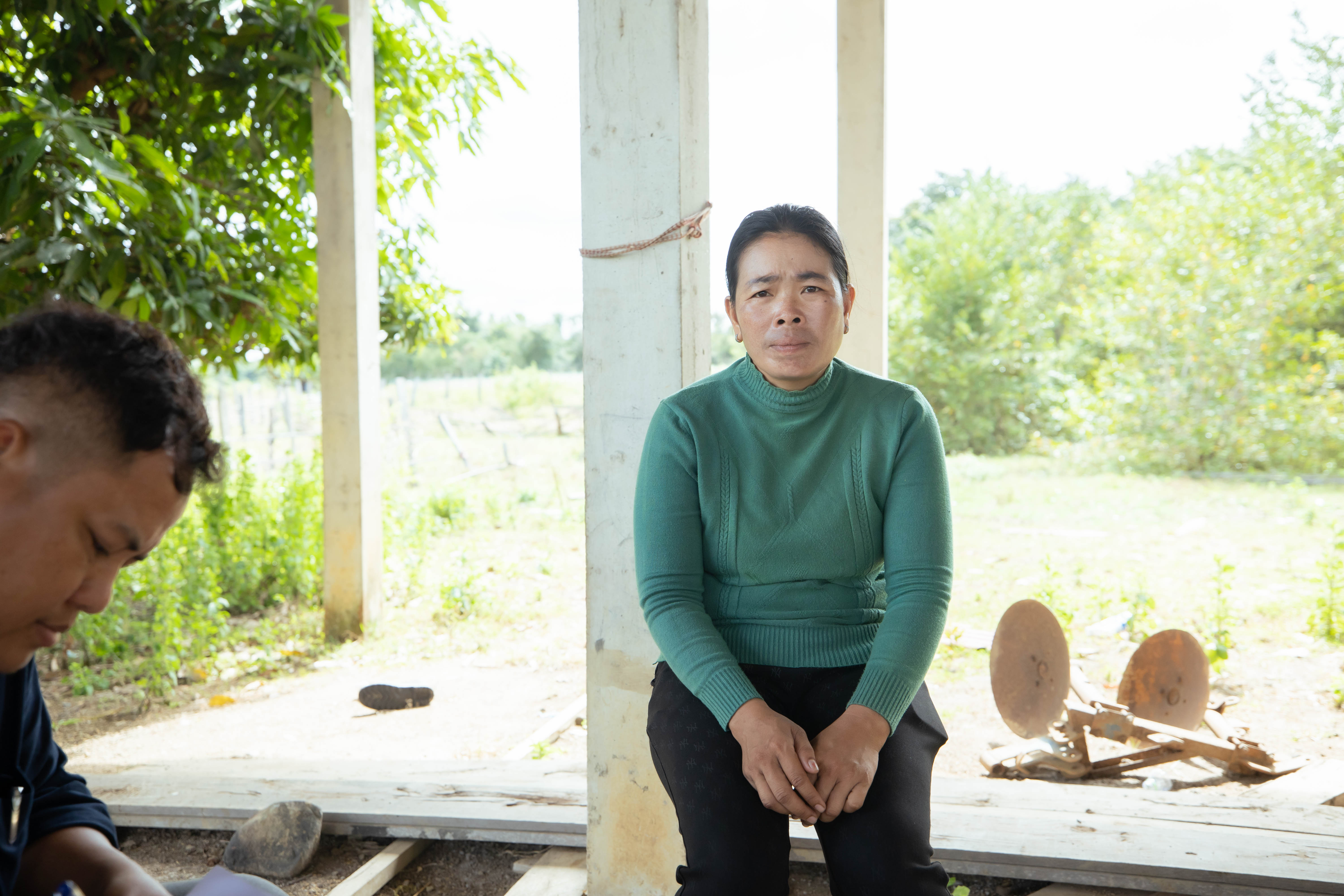
The heart of the project’s success are the women leading it. Heu Sokleap and Koy Chenda, embody how grassroots empowerment can reshape an entire community.
Leading the Organic Movement: Heu Sokleap
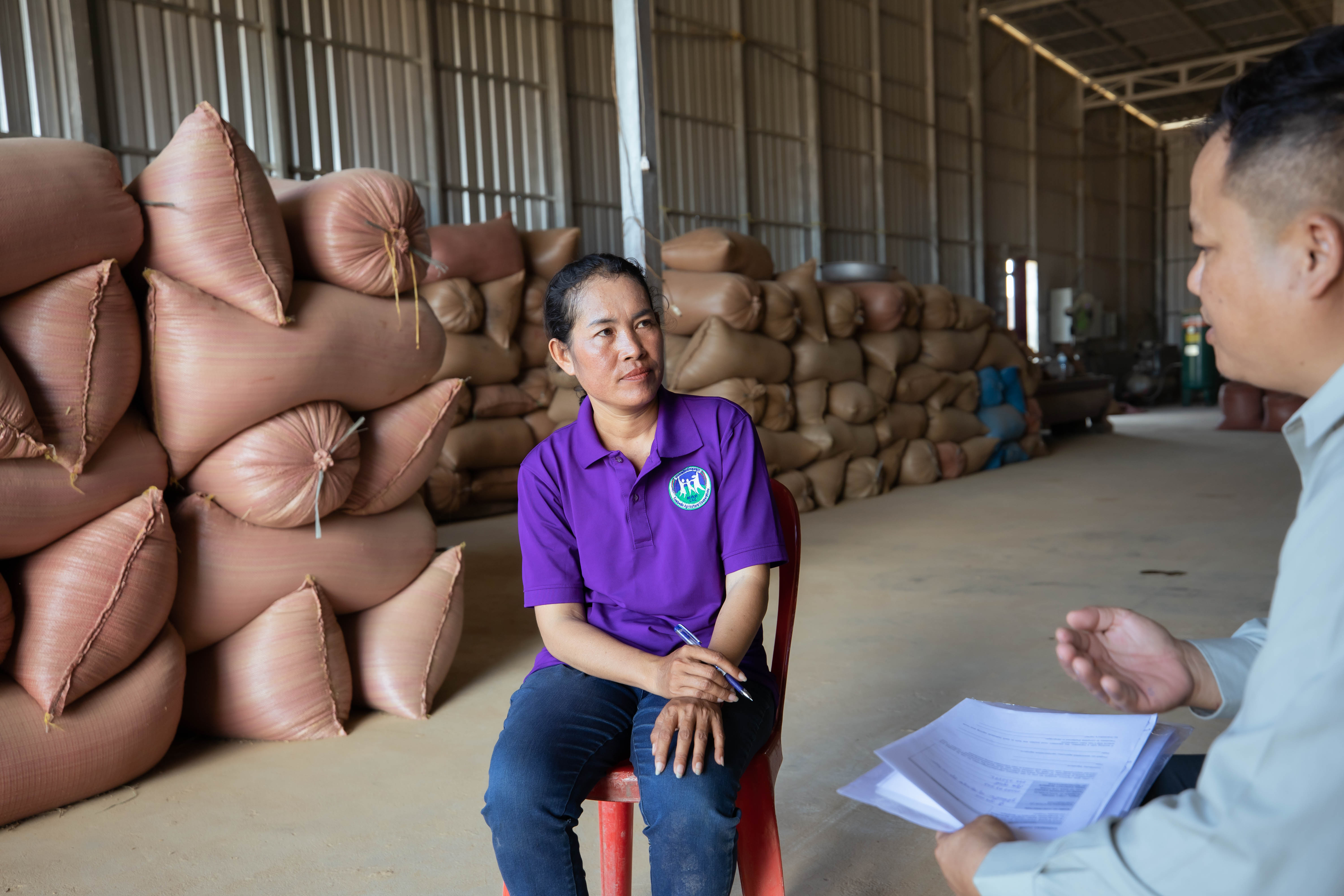
At 45 years old, Heu Sokleap is a mother of six, a farmer, and the dynamic leader of her local Agricultural Cooperative. For Sokleap, farming is no longer about survival; it is about sustainable growth. Through the project, she has learned advanced organic and agroecological techniques, balancing a thriving home garden, livestock, and a specialized plot for organic rice production.
But her impact extends beyond her fields. As a cooperative leader, Sokleap manages 114 members, navigating a competitive local market to secure stable contract farming agreements and register organic certification for their unique "BUNONG RICE".
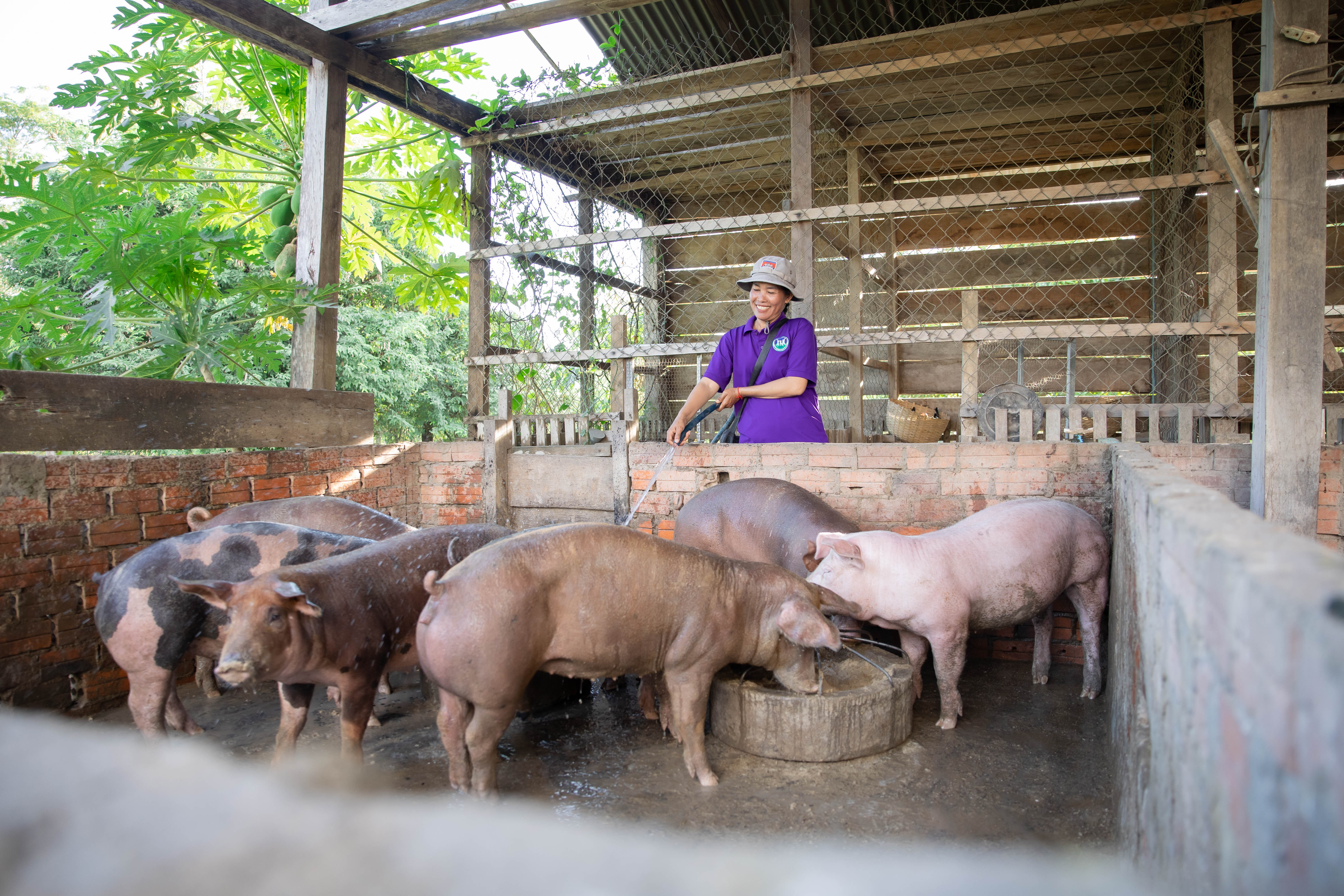
"Women can become stronger by actively participating," Sokleap says. "We can contribute to family income and happiness while developing the communities we live in."
Transitioning to organic certification hasn’t been without its hurdles. Sokleap and her cooperative faced lower initial crop yields, strict technical requirements to prevent chemical contamination from neighboring farms, and external middle-men traders. Yet, under her guidance, the cooperative continues to scale up. Her future plans include investing in a community rice-drying oven to improve post-harvest quality and expanding supply contracts so more families can benefit from the higher premiums of certified organic farming.
Nourishing Families from Within: Koy Chenda
While Sokleap drives the economic engine of the organic value chain, 41-year-old Koy Chenda is ensuring that economic success translates directly into household health. A mother of three with a natural talent for community facilitation, Chenda serves as a "Trainer of Trainers" for the project’s innovative Family Food Game.
Chenda uses interactive cooking demonstrations and educational games to teach families how to prepare balanced meals, practice food safety, and incorporate nutrient-rich, home-grown fruits and vegetables into their everyday diets.
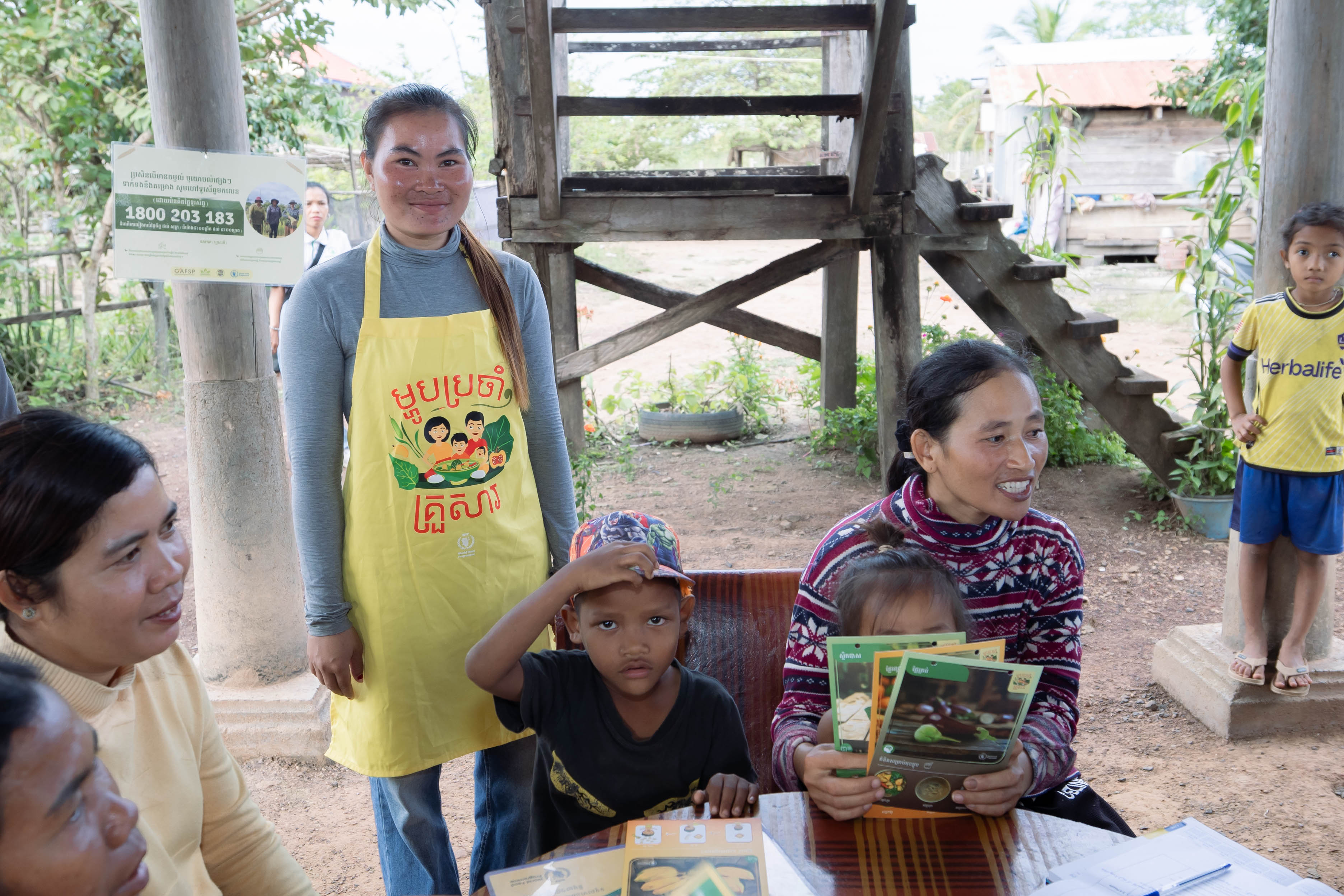
The results can shift generational patterns. Agricultural cooperative members are now reserving a portion of their high-quality organic rice specifically for home consumption.
The training has sparked an unexpected social shift known locally as the "Engaged Father" movement. In a region where household chores historically fall entirely on women, men are now stepping into the kitchen. "It is now common to see men returning from the fields with fresh vegetables to help their wives prepare meals and feed their children," Chenda notes.
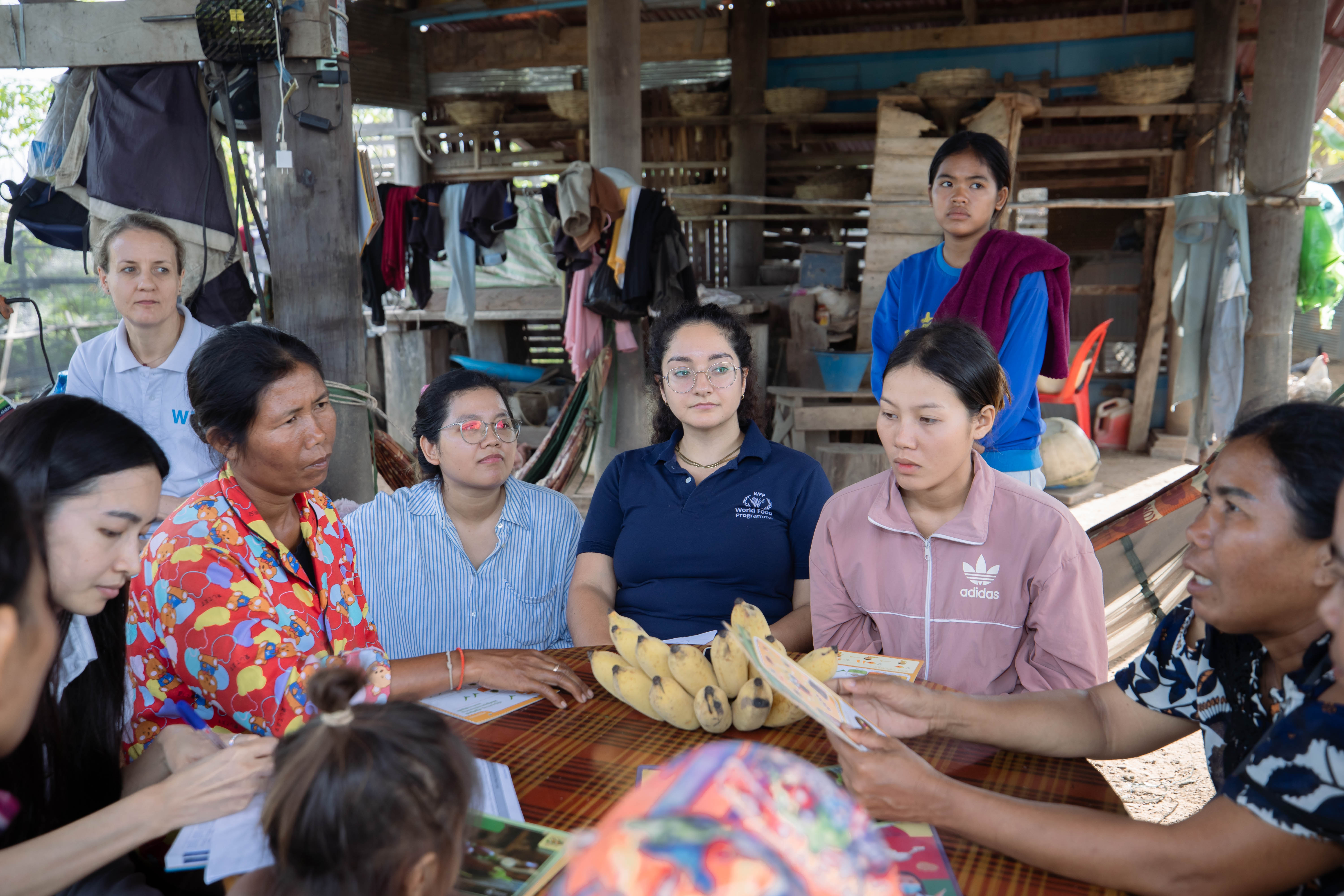
“The project has built our capacity in organic rice production while promoting our unique BUNONG Rice branding," says Chenda. "But most importantly, it is changing our daily lives. We haven’t just seen our incomes rise; we’ve gained better health and a deeper sense of happiness within our families."
A Blueprint for Holistic Development
The Building Back Better project underscores that agricultural development cannot happen in a vacuum. By combining climate-resilient farming techniques with targeted gender groups and nutritional education, the initiative ensures that as incomes rise, health and equity rise too.
Supported by the CACC-GAFSP co-financing model, local cooperatives are increasingly cutting out middlemen, storing and processing rice locally, and ensuring that agricultural wealth stays where it belongs: in the hands of the farmers.
As Cambodia pushes toward a more resilient agricultural future, the stories of Sokleap and Chenda stand as a powerful testament to what is possible when international funding trusts and elevates local women leaders.
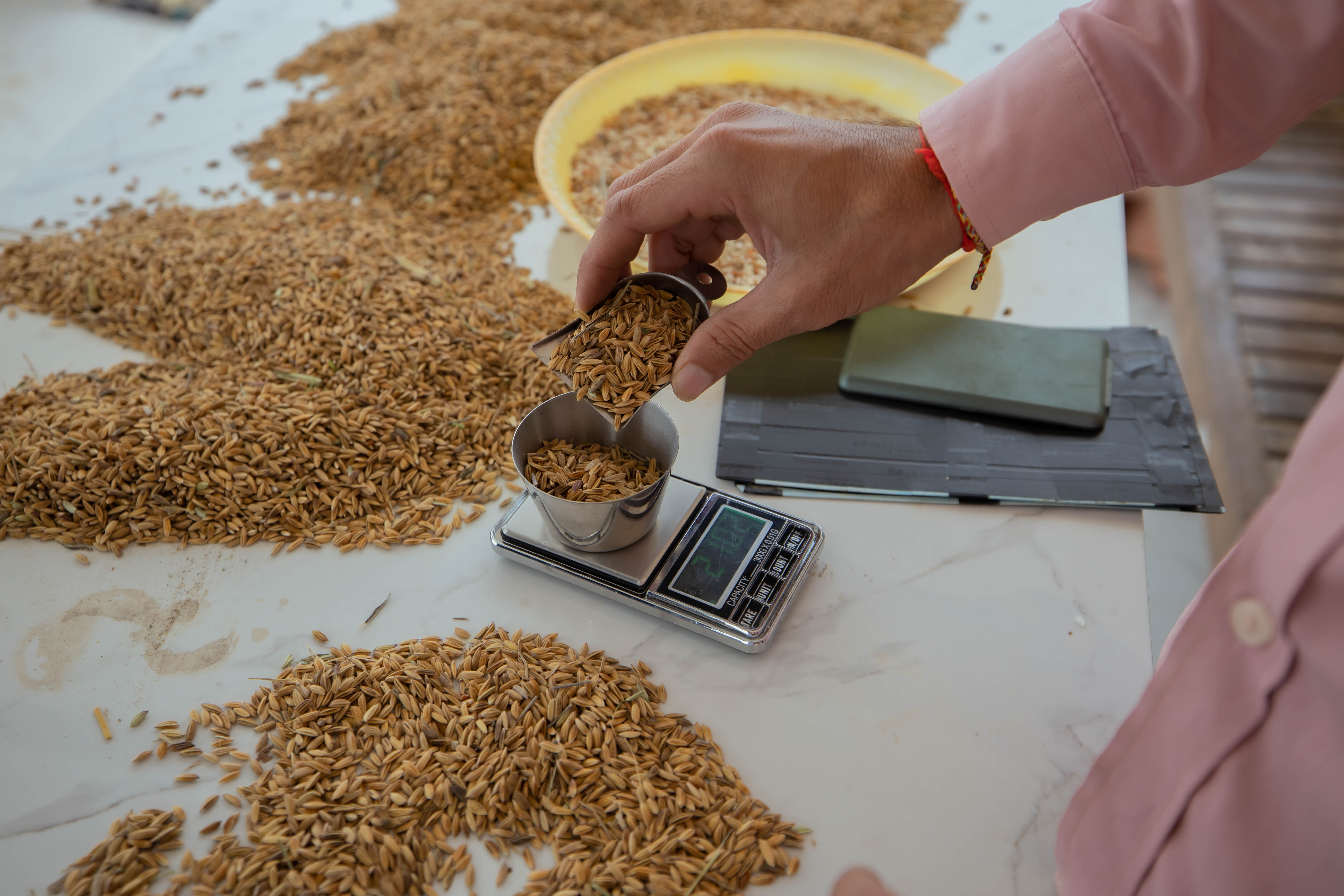
This story reflects contributions from the Civil Society Partnership for GAFSP.
The Civil Society Partnership for GAFSP is a consortium of civil society organizations contracted by the Global Agriculture and Food Security Program (GAFSP) to assess selected grant-funded projects. Through participatory project reviews and documentation of lessons and stories, the Partnership helps deepen understanding of how GAFSP supports climate resilience, nutrition, income generation, and women’s empowerment in agriculture and food systems, and how these investments can be scaled to support sustainable agriculture in vulnerable countries.
The Partnership is supported by GAFSP and led by ActionAid International, together with ESAFF (Eastern and Southern Africa Small-Scale Farmers Forum), AsiaDHRRA (Asian Partnership for the Development of Human Resources in Rural Areas), and COSADH (Coordination pour des Actions en Santé et en Développement d’Haïti).

Type
Impact Stories