Share


In rural Gambia, smallholder women farmers face a harsh reality: they work hard to grow food, yet a significant share of their harvest never reaches a market or a meal.
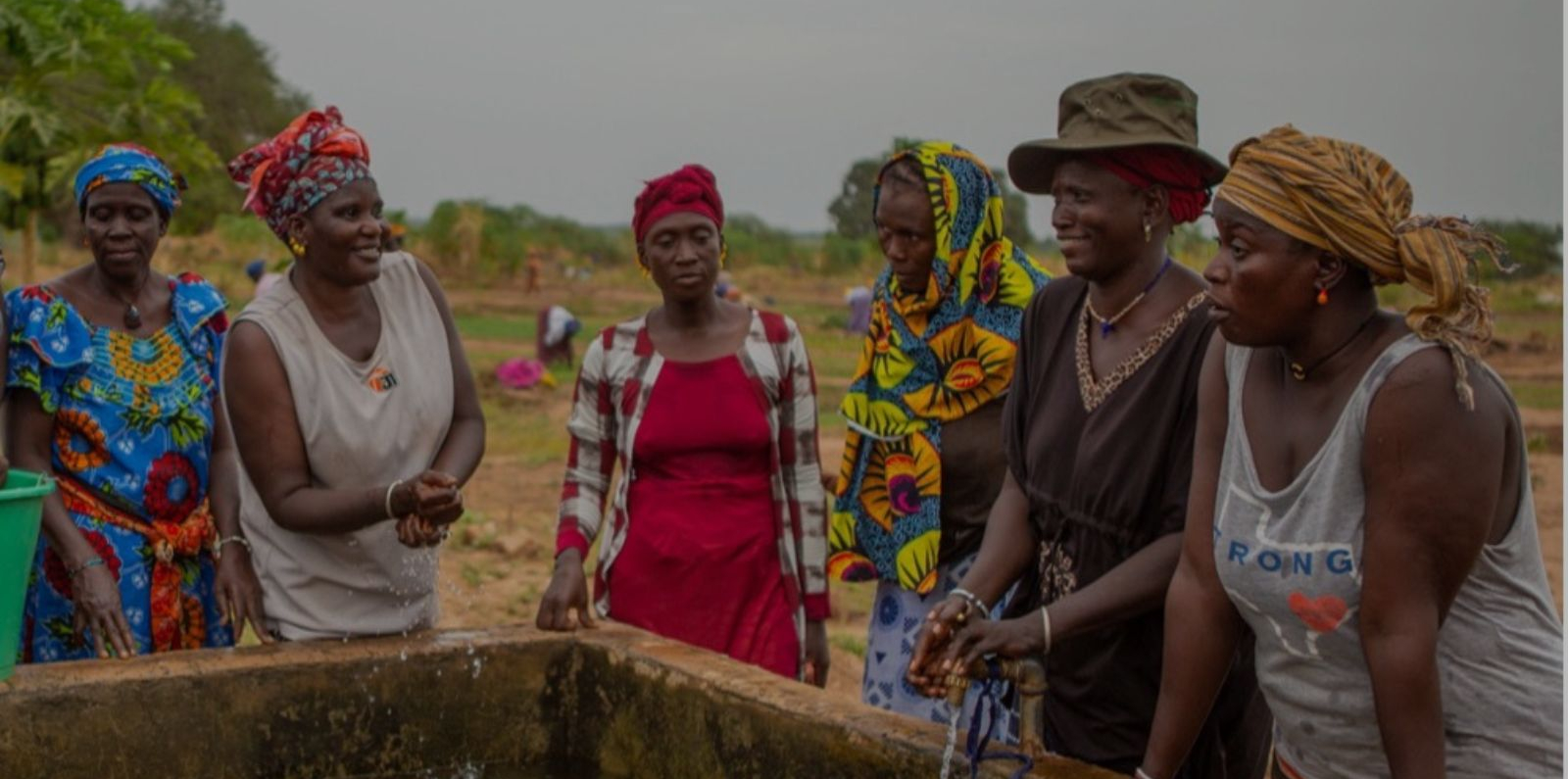
Post-harvest losses across Sub-Saharan Africa can reach 40–50 percent of vegetable production, driven by inadequate storage, lack of processing knowledge, and poor market access. In communities like Jahaur village, tomatoes, peppers, and leafy greens routinely spoiled in the heat before they could be sold, taking with them months of labor, water, and investment.
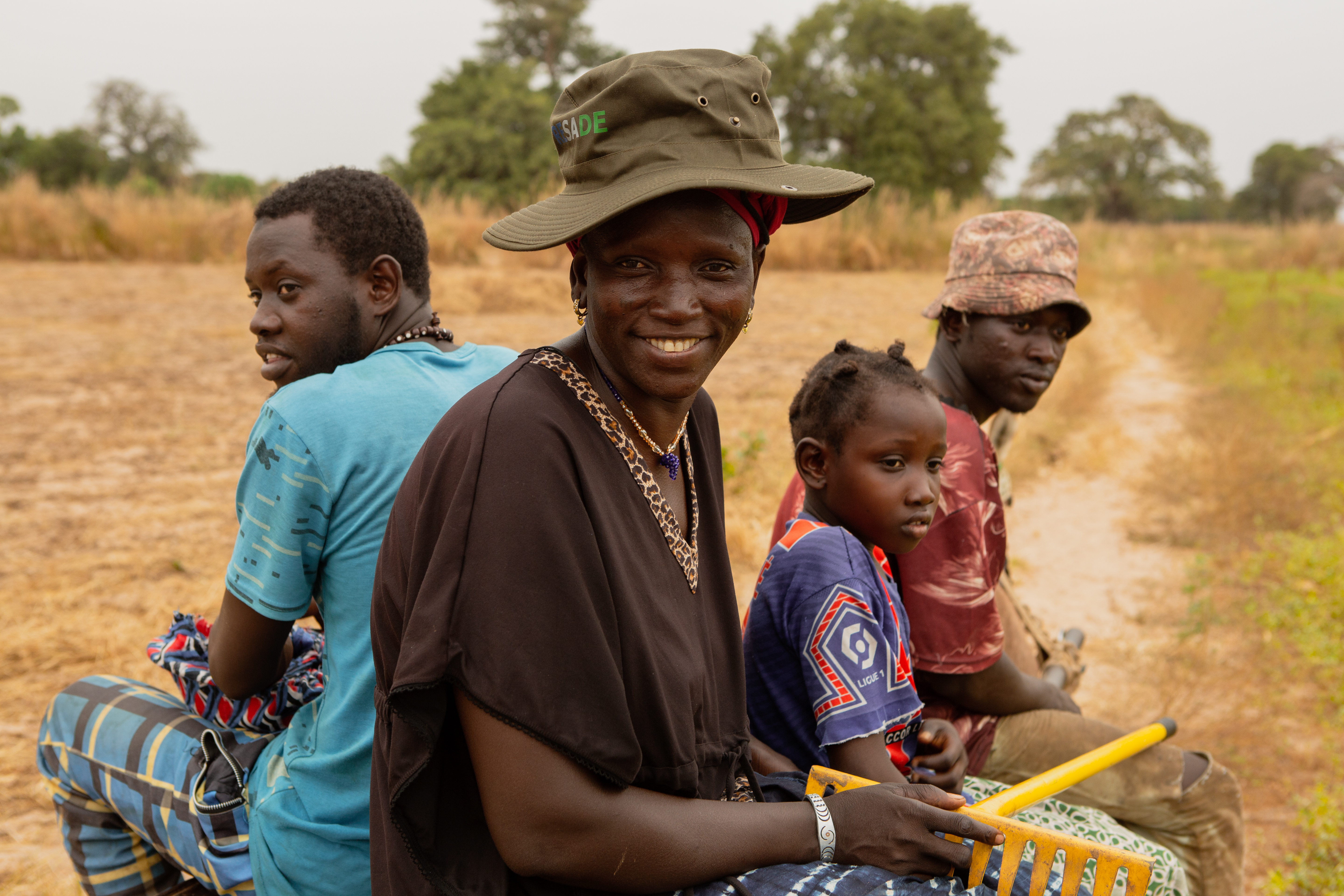
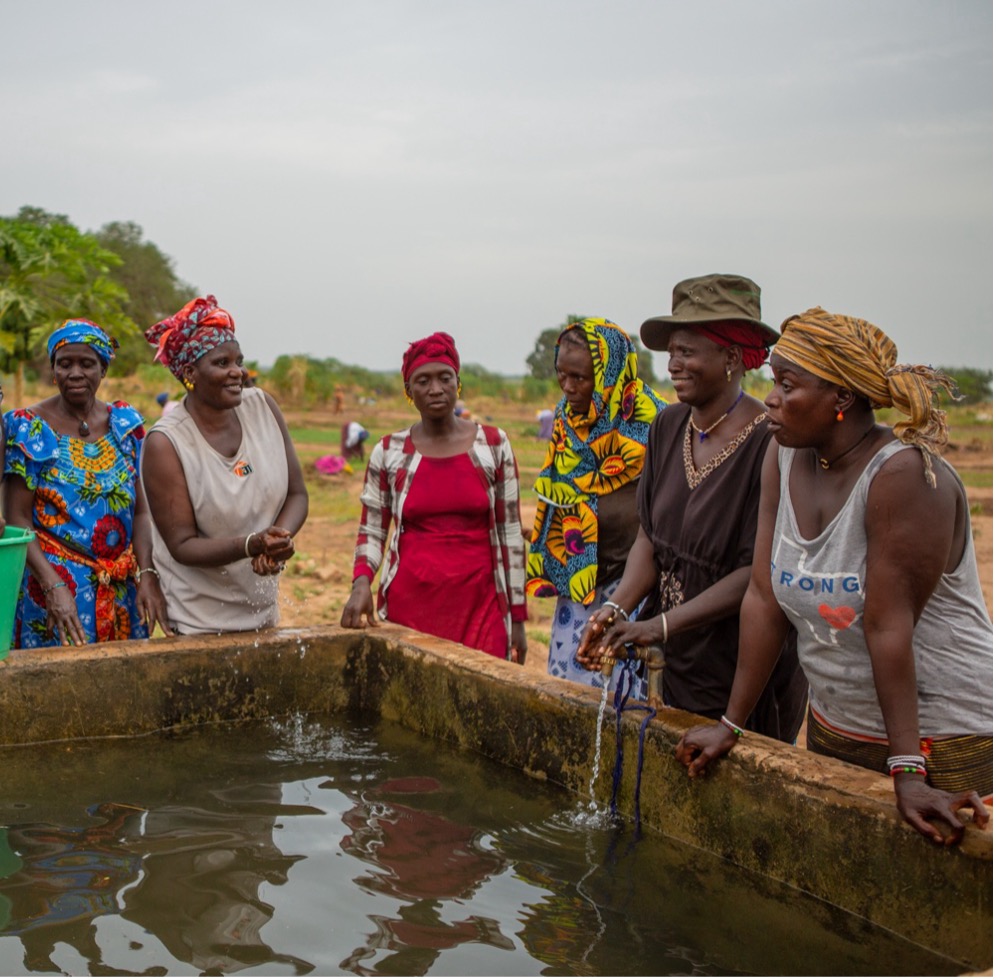
The Gambia Agriculture and Food Security Project responded with an integrated support package targeting women gardeners in Jahaur village. Kumba Jallow and her cooperative members received from the project, assorted vegetable seeds, small garden tools, and a Cooltainer — a solar-powered evaporative cooling unit that extends the shelf life of fresh produce without electricity. This is a critical innovation in The Gambia that helps rural village crops endure the extreme heat. Alongside these inputs from the project, the women received training in agricultural practices and, crucially, comprehensive post-harvest management.
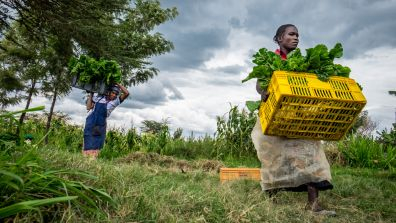
The training covered everything from harvesting vegetables at the perfect moment to harvest, sorting and grading produce for market standards, hygienic handling, and packaging, to the Cooltainer's maintenance. For the first time, Jallow and her peers had both the knowledge and the tools to protect and preserve what they had grown.
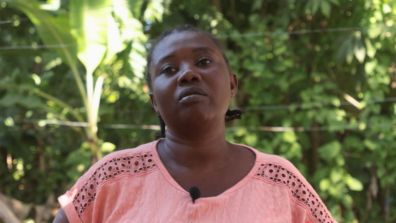
“Once we understood how to handle our vegetables after harvest – the sorting, the cooling, the packaging, we stopped losing produce. We started making real money,” Jallow said.
Turning Knowledge into Enterprise
Inspired by the program’s post-harvest training, the cooperative started up a business transforming surplus tomatoes, peppers, and other vegetables into tomato paste, jam, and pepper sauce — adding value to her harvest, selling products in demand across Gambian homes. The processing enterprise also provided jobs for other women in the village who had not been directly involved in farming.
Jallow and her cooperative members demonstrated success attracted further investment. A poultry production grant from a complementary agricultural project enabled them to diversify into egg and meat production, strengthening their financial resilience while providing organic fertilizer for the gardens — a simple but powerful example of integrated, circular farming.
Women earning and children learning
The most transformative outcome of the Kumba cooperative is their integration into the Home-Grown School Feeding Program (HGSFP), which sources locally produced food to provide nutritious meals for schoolchildren. By supplying fresh vegetables directly to local schools, the group secured a reliable, institutional market — allowing them to plan production in advance, invest with confidence, and consistently meet quality standards.
“Now the school buys our vegetables every week. We know we have a buyer before we even plant. That security changes everything,” said Kumba.
The positive impact reaches far beyond the farm. Children receive more nutritious meals that improve concentration and school attendance — particularly for girls. Communities benefit from local employment and increased household income. And the broader agricultural economy gains a model of what is possible when smallholder women are treated as entrepreneurs rather than just subsistence farmers.
“This story shows that when we invest in women farmers not only as producers but as entrepreneurs and market actors, we unlock far more than food production — we unlock resilience, dignity, and economic transformation. The African Development Bank and the Global Agriculture Food Security Program are proud to support models that connect production to markets, reduce losses, strengthen nutrition, and build sustainable rural economies from the ground up,” said Philip Boahen, Lead and Partnership and Coordinator of the Global Agriculture Food Security Program at the African Development Bank.
Kumba Jallow's journey — from watching harvests rot to running a processing enterprise, supplying schools, and creating community jobs — demonstrates how targeted investment in rural women delivers transformative results. The Gambia Agriculture Food Security project model works because it is integrated: skills and technology, production and processing, farming, and markets, all working together.
“Creating equitable market access, a catalyst for inclusive and sustainable development, has been the core principle of project implementation,” said Momodu Sow, coordinator of the project in Gambia.
With the right combination of knowledge, resources, and access, women farmers are effective agents of post-harvest loss reduction.