Share


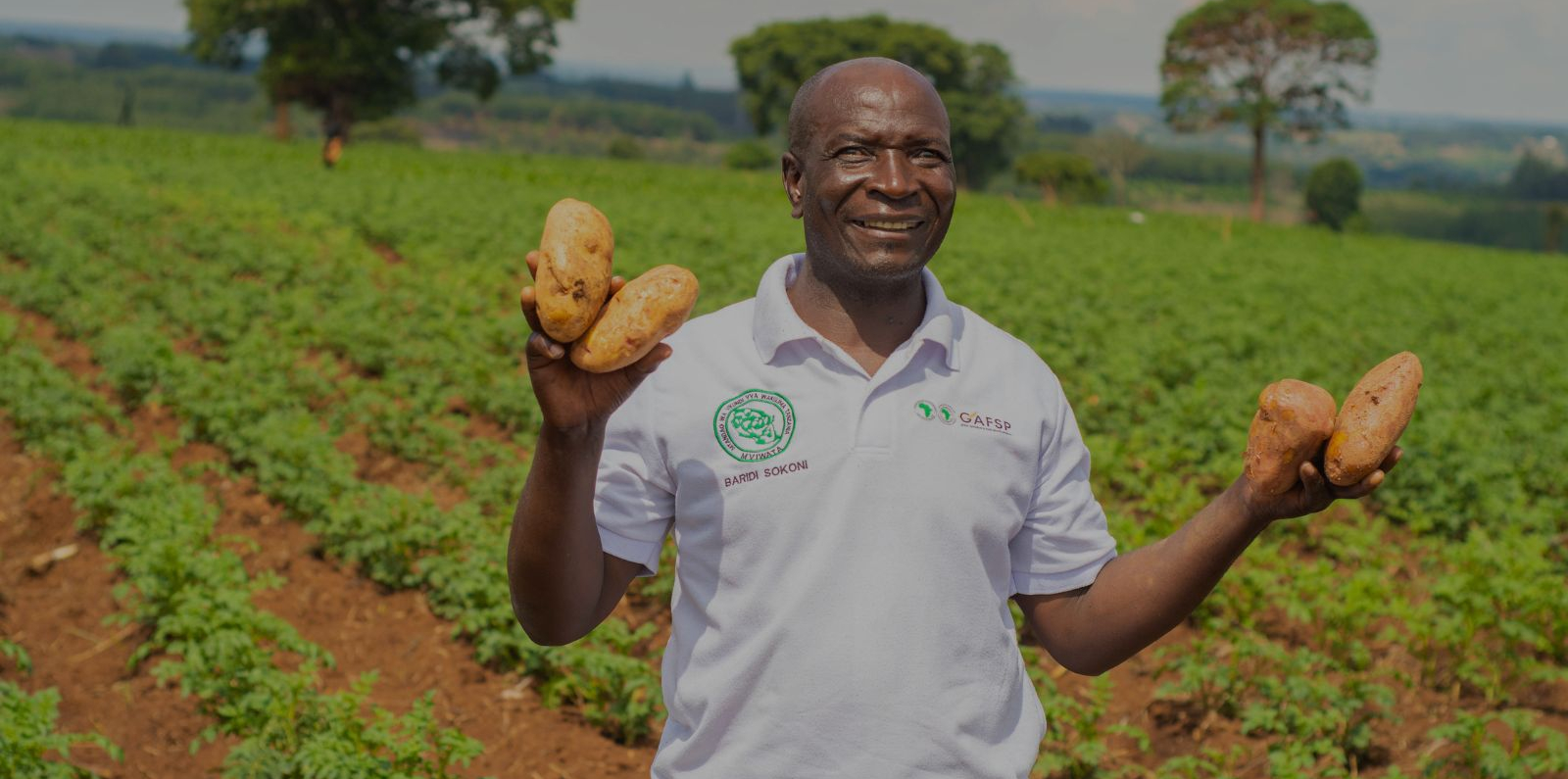
In Tanzania’s fertile highlands of Morogoro and potato belt of Njombe, smallholder farmers have long faced a familiar trap: hard work in the fields, but little to show for it once middlemen and post-harvest losses eat into their earnings. Through the GAFSP-funded Food Systems Supply Services in Rural Tanzania project, popularly known as Baridi Sokoni, that equation is changing.
Implemented in partnership with the African Development Bank, the project is led by Mtandao wa Vikundi vya Wakulima Tanzania (MVIWATA), a national network of farmer groups, and is reaching more than 4,000 smallholder farmers across the two regions. By combining agroecological training, collective marketing and direct market off-take, Baridi Sokoni is helping farmers turn diversified harvests of spices, beans, vegetables and potatoes into stable, growing incomes, and increasingly, into houses, livestock and businesses of their own.
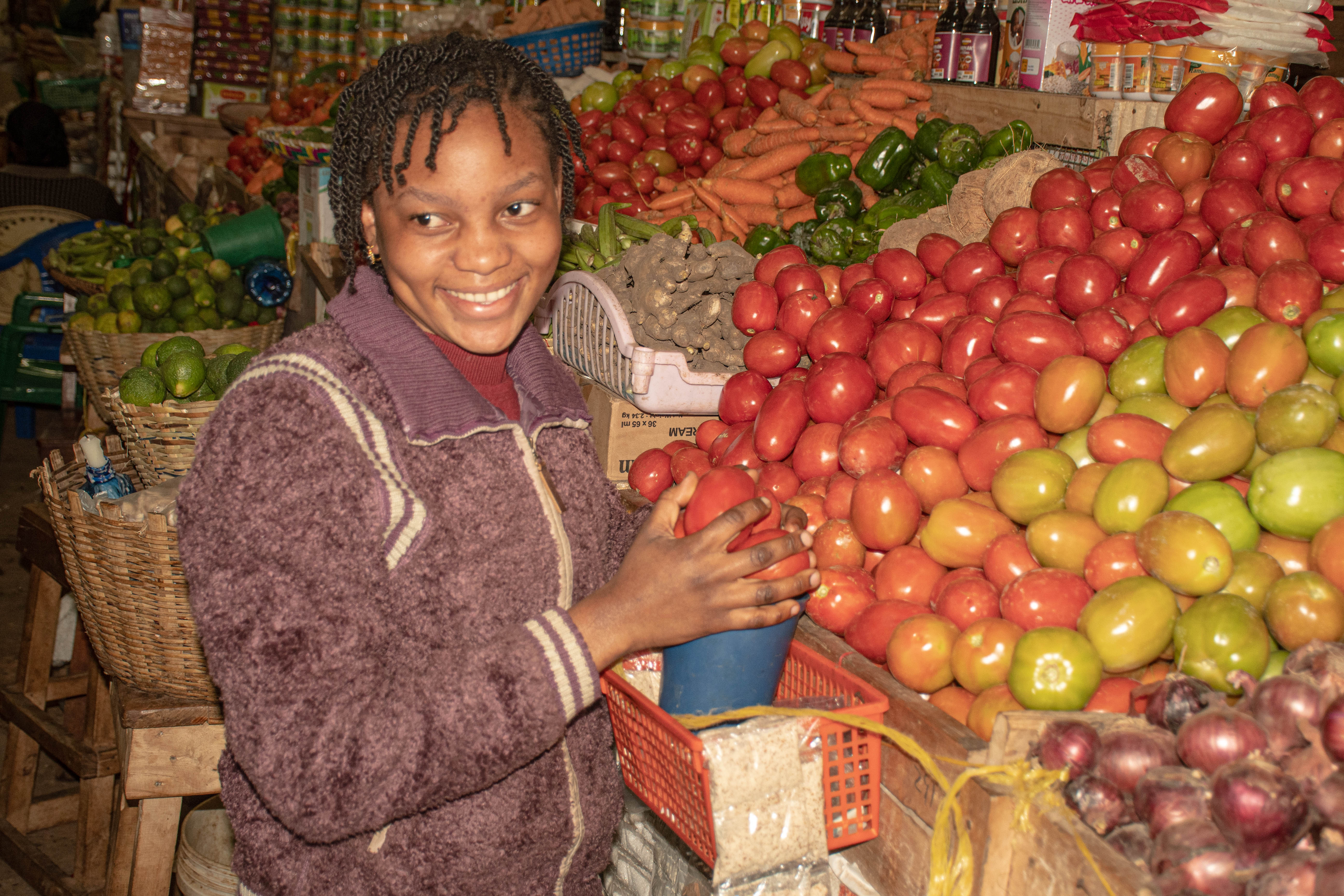
Few stories capture that shift better than those of Zuberi Nasibu and Theodory Mkude, two farmers who found that a farm can be a foundation, not just a source of survival.
From Migration to Stability
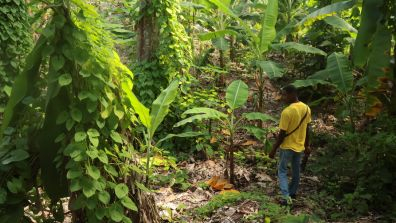
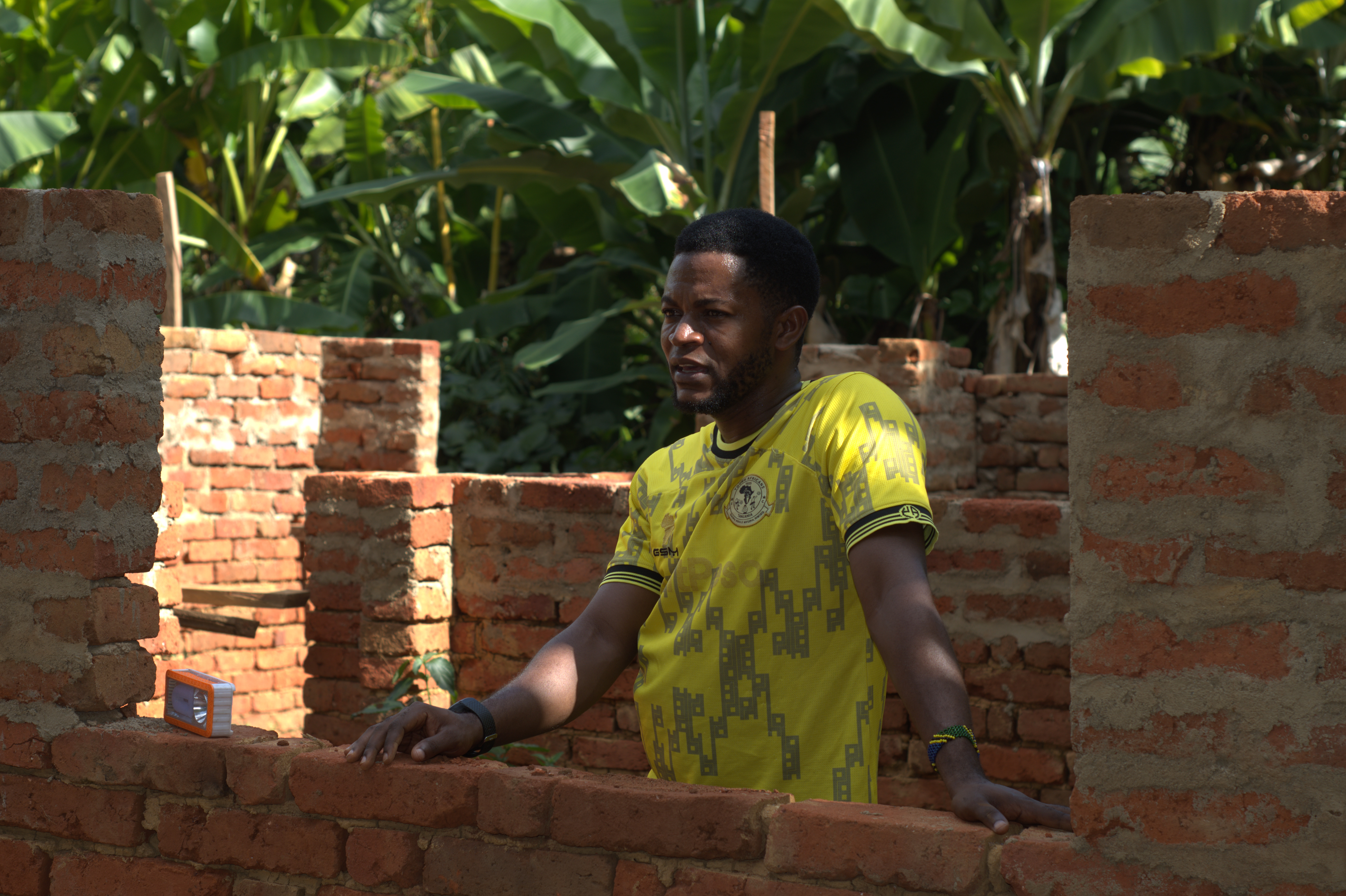
For years, Zuberi Nasibu moved from place to place in search of steady work, unable to build a stable life for his family. His turning point came after connecting with MVIWATA farmers and joining Baridi Sokoni. With training and support, he chose to settle permanently in Kibogwa Village, Morogoro, and commit to farming as a genuine livelihood rather than a fallback.
Selling spices through MVIWATA's structured market, Zuberi earned an income he could count on. That stability let him begin building his own house, a milestone he describes as a step toward independence. He has since diversified further, opening a barbershop that also sells men's clothing, so his household no longer depends on a single source of income.
Zuberi wants to continue farming under Baridi Sokoni and is confident that he can grow both his agricultural and business ventures side by side.
Integrated Farming for Income and Soil Health
In nearby Pinde Village, Theodory Mkude has taken a similar journey, but built it on integration rather than diversification alone. Through training and extension support, he improved his bean and spice production into a dependable income source and reinvested the proceeds into chickens and a pig, with plans to expand his livestock.
What sets Mkude apart is how he links his enterprises together, applying agroecological principles by using poultry waste as organic manure, an approach he credits to Baridi Sokoni training. The result has been healthier soil and better yields, achieved largely without costly external inputs.
Mkude is also an active member of a community savings and lending group strengthened under the project. Access to those financial services, he says, has improved his ability to plan, save and invest, building resilience for his household and the wider community.
Foundation for the Future
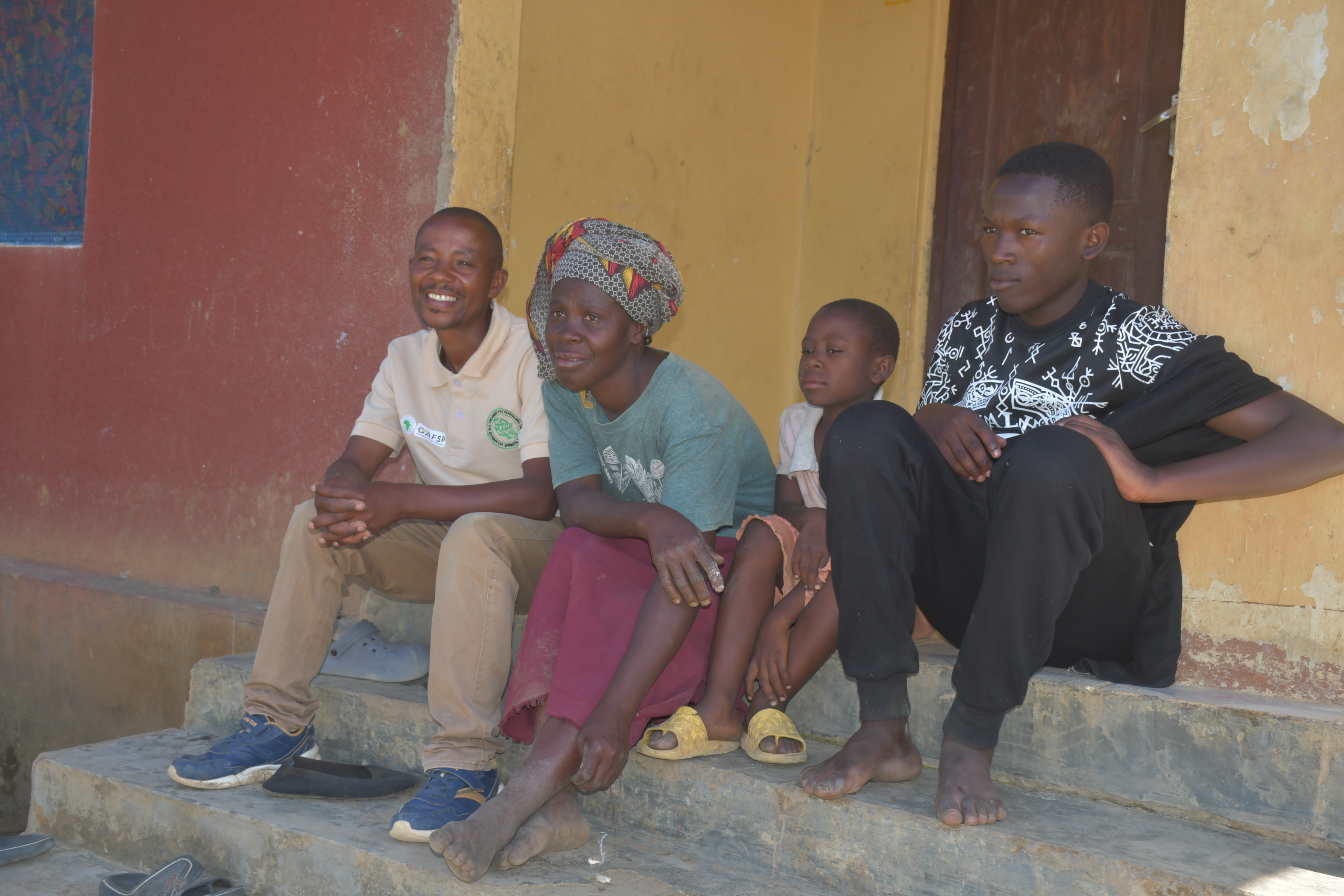
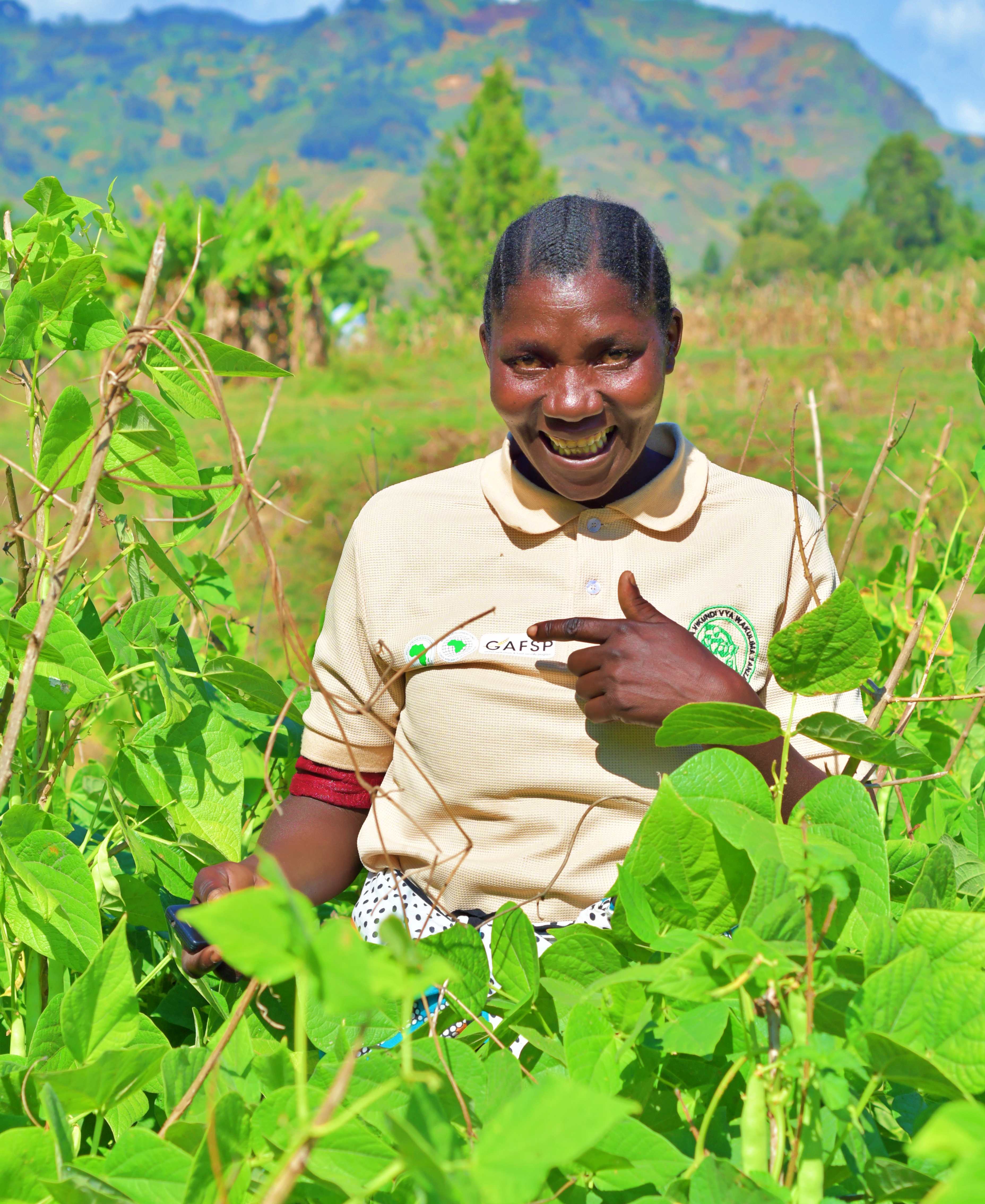
Anna Maria Mbiki, a bean farmer in Pinde Village, has become a knowledge champion: after farmer field school training, she established a demonstration farm, now a hub where farmers come to learn. Her improved earnings have gone toward her daughter's college education, a reminder that the returns from agricultural investment can reach well beyond the farm gate.
The project is also helping women take on greater leadership roles within farmer organizations. In Morogoro, women from Pinde and Kibogwa cooperatives and MVIWATA groups now serve as treasurers and chairpersons of farmer groups, roles previously dominated by men. In Njombe, several women have been elected as treasurers of producer groups and the Savings and Credit Cooperative Society (SACCOS), increasing their visibility, confidence and influence in local agricultural decision-making.
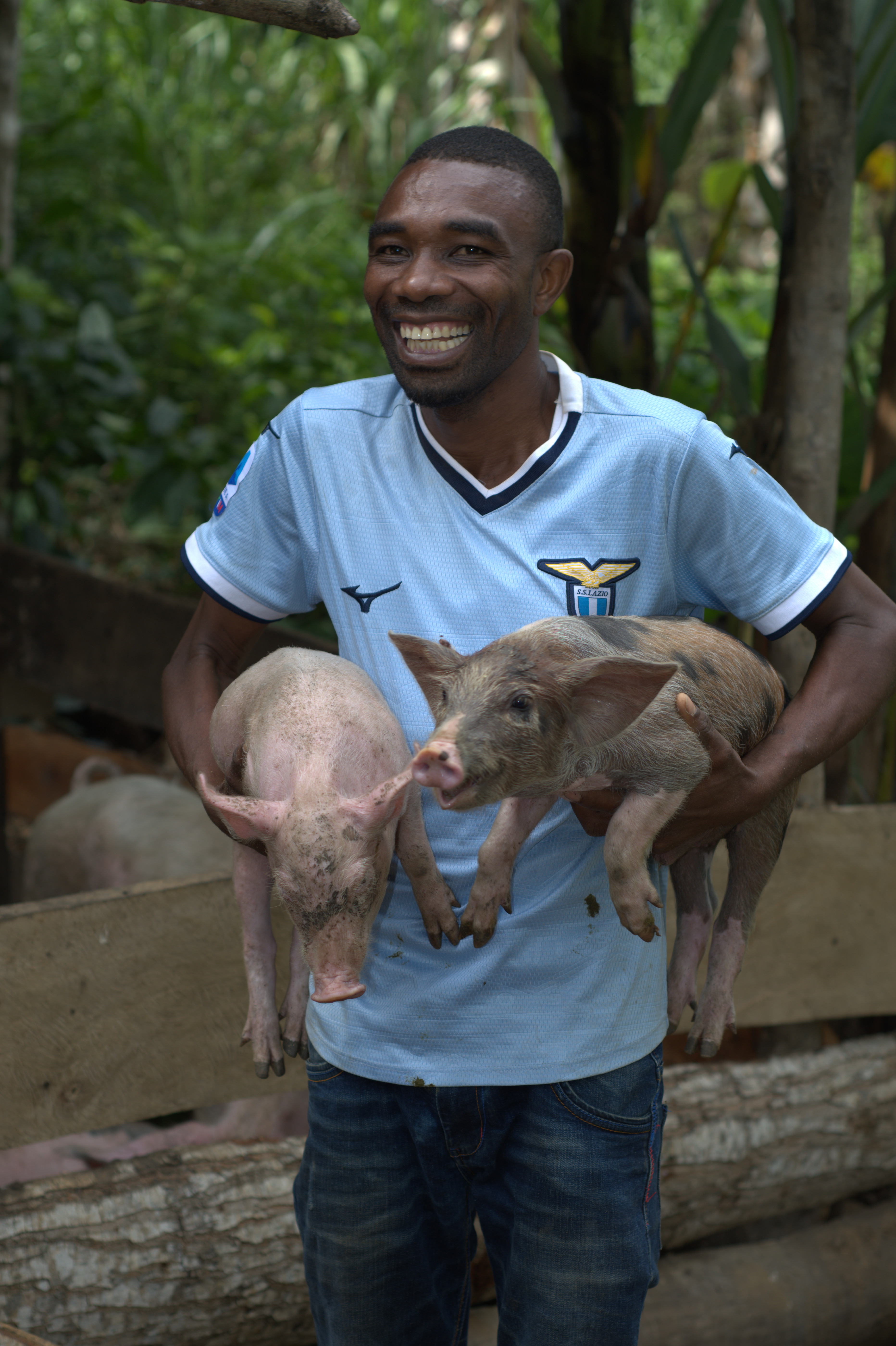
In Tegetero, Morogoro, Ernest Kanuti grows bananas, beans and spices while investing his income in raising pigs. Like Mkude, he channels manure from his animals back into his crops, cutting input costs while building soil health. The additional income has allowed him to begin constructing his own home and support his family fully through farming.
Across these stories, a pattern emerges. Better prices and higher yields are only the starting point. What farmers do with that stability, such as reinvesting in livestock, education, housing or new business lines, is where Baridi Sokoni's impact multiplies. Collective marketing through MVIWATA has already helped farmers command significantly better prices for spices like cloves and cinnamon.
As Baridi Sokoni continues, the stories of farmers like Zuberi Nasibu, Theodory Mkude, Anna Maria Mbiki and Ernest Kanuti point to what's possible when smallholder producers are given not just better prices, but the tools and confidence to reinvest in their own futures.
_______________
This story reflects contributions from the Civil Society Partnership for GAFSP.
The Civil Society Partnership for GAFSP is a consortium of civil society organizations contracted by the Global Agriculture and Food Security Program (GAFSP) to assess selected grant-funded projects. Through participatory project reviews and documentation of lessons and stories, the Partnership helps deepen understanding of how GAFSP supports climate resilience, nutrition, income generation, and women's empowerment in agriculture and food systems, and how these investments can be scaled to support sustainable agriculture in vulnerable countries.
The Partnership is supported by GAFSP and led by ActionAid International, together with ESAFF (Eastern and Southern Africa Small-Scale Farmers Forum), AsiaDHRRA (Asian Partnership for the Development of Human Resources in Rural Areas), and COSADH (Coordination pour des Actions en Santé et en Développement d'Haïti).

Type
Impact Stories