Share


A new report from the University of Vermont’s Institute for Agroecology examines how Public Development Banks (PDBs) can play a pivotal role in transforming global food systems toward greater resilience and sustainability through agroecological approaches centered on human rights, resilience, and local communities. The report highlights promising examples of PDBs integrating agroecological principles into their investment strategies, including case studies from the Global Agriculture and Food Security Program (GAFSP).
Through its Producer Organizations-led grants, GAFSP and its partners among leading Multilateral Development Banks and UN Agencies have supported initiatives that empower smallholder farmers and promote solutions, delivering multiple benefits for rural communities:
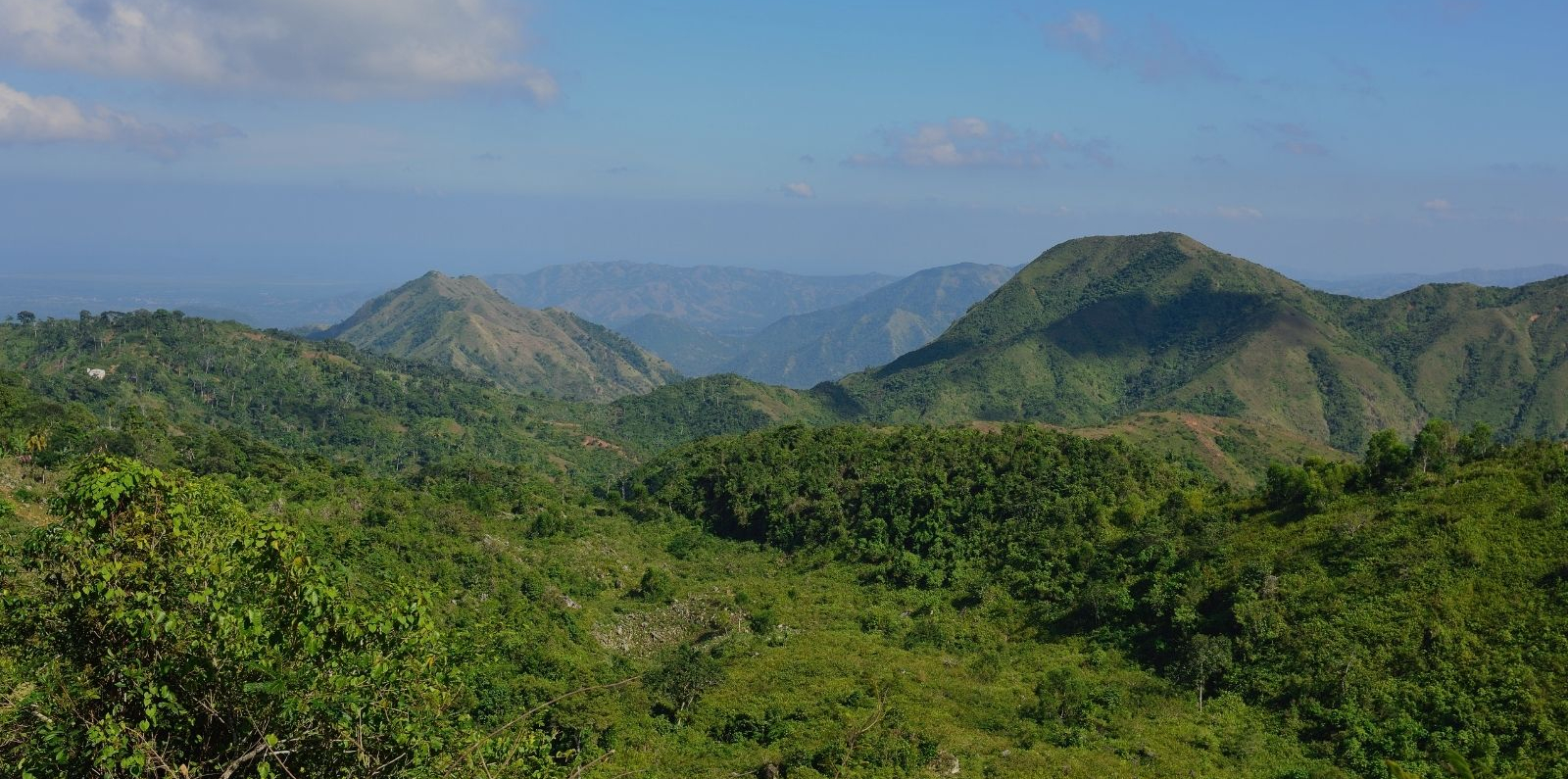
- Haiti: A US $3 million grant helps 10,000 farmers in Haiti’s Grand’Anse region recover from the 2021 earthquake. By scaling up agroforestry, improving livestock management, and supporting beekeeping, the GAFSP funded project strengthens climate resilience and restores livelihoods while promoting biodiversity and soil health.
- Honduras: In the Dry Corridor, a US $2.13 million grant supports over 1,000 smallholder producers—more than half women—through diversified, climate-resilient value chains for avocado, vegetables, and honey. The GAFSP funded initiative fosters agroecological practices, collective marketing, and local economic empowerment.
- Senegal: A US $2.48 million grant strengthens governance structures of producer organizations, builds rural enterprises, and promotes biodiverse cropping systems such as Tolou Keur gardens, enhancing food security and cultural diets in Senegal’s Tambacounda region.
The report calls for bold action by shifting development paradigms, reforming institutional mandates, and building internal capacities on agroecology. By realigning financial platforms and tools with agroecological principles, PDBs can help improve rural livelihoods and strengthen food and nutrition security while tackling climate change impacts and biodiversity loss.
Read the full report: Agroecology and Public Development Banks: Transforming Development Finance for Equity and Resilience and join the conversation on how PDBs can drive just food system transitions.

Type
News