Latest News
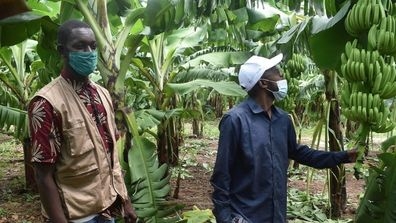
Building Knowledge to Tap Senegal’s Growing Banana Market
Since bananas are in great demand in Senegal’s cities, many farmers struggle to make ends meet when they cannot be harvested. There is a name for the season during which bananas can’t be harvested: the ‘soudure’. During these times, some households may not be able to afford food, or consume less due to lack of resources.
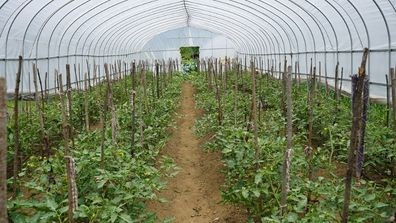
Keeping Bhutan’s Spice Mountains Watered
In southwest Bhutan, 6,500 people have been assisted in increasing the quality and quantity of produce like rice, maize, potato, vegetables, quinoa, citrus, apples, and potatoes, as well as high-value spices such as large cardamom and ginger.
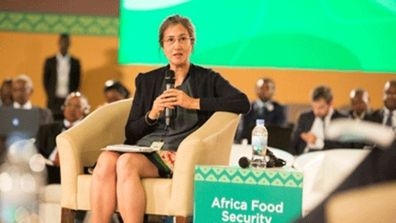
Insight Series: Natasha Hayward
Natasha Hayward is GAFSP’s outgoing Program Head. Presenting the first piece in this series, she reflects on her past six years and offers her thoughts on the Program and its future.
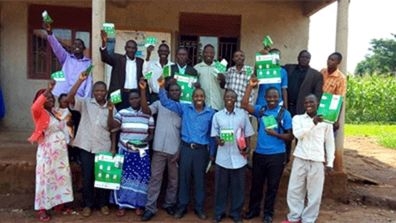
Banking on Partnerships for a Digital Future
E-Granary, a mobile communication and payment system, creates a virtual space for brokering commercial partnerships and contracts between farmers, buyers, and input dealers while connecting farmers with financial services at low transaction costs. The platform is used by more than 38,000 farmers, almost half of them women.
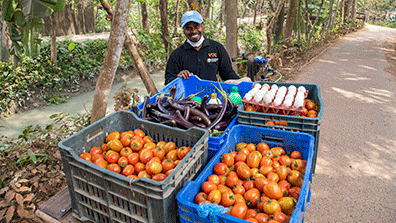
How Investing in the Bigger Picture Has Paid off in Bangladesh
When COVID-19 hit Bangladesh, Rita Brommo was among the smallholder farmers concerned about how the global pandemic would impact their communities. In addition to the health concerns, there was also anxiety about food security and income generation. Without being able to move around to sell produce, how would farmers be able to earn enough money to put food on the table?
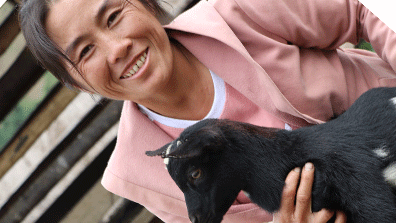
Getting Ahead of the Crisis in Lao PDR
Ahead of the UN Food Systems Summit, it is clear that while food systems urgently need to be transformed to better support both human and planetary health, transformed food systems must also be resilient to future shocks. The GAFSP continues to work with vulnerable communities and smallholder farmers like Mo Ya, to safeguard their capacity to withstand the impact of external shocks.
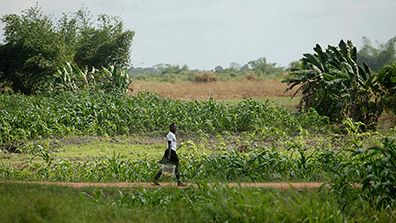
From Cassava and Rice to Recovery: Bolstering Agriculture for a Stronger Liberia
Food shortages in Liberia have been compounded by a series of crises, some old; some new. From the impacts of long-term conflict to outbreaks of Ebola, rice shortages ¬–and now the COVID-19 pandemic–a long-term solution was needed.
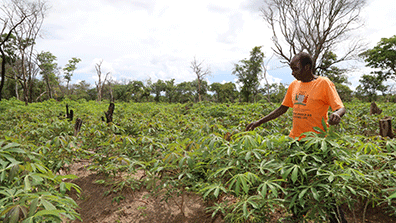
Climate-Resilient Crop Takes Root in Zambia
In Zambia, cassava supplies are low, with inadequate quality planting materials, leading to dwindling yields and pest and disease infestations, and impacting food security and income for farmers. Supported by GAFSP and the African Development Bank’s flagship TAAT program, the US$34.87 million Agriculture Productivity and Market Enhancement Project (APMEP) brings together the government, private sector, and researchers to jointly tackle these issues in an integrated manner.
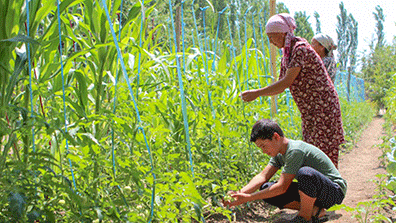
Helping Women Improve Food Quality and Family Income in Kyrgyz Villages
Financed by the GAFSP and administered by the World Bank, the $38 million project aims to increase the agricultural productivity and food and nutrition security of rural households in areas around the country that were selected based on the poverty, health, and nutrition status of the people living there.
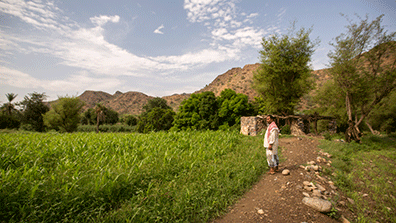
Building Back from the Brink: Why Agriculture Holds the Key
While humanitarian responses are critical during crises, they are never a long-term solution. With the right support and tools, farmers –often on the frontlines of crises and disproportionately affected by disasters, including climate change– can themselves drive change, economic recovery, and income opportunities.
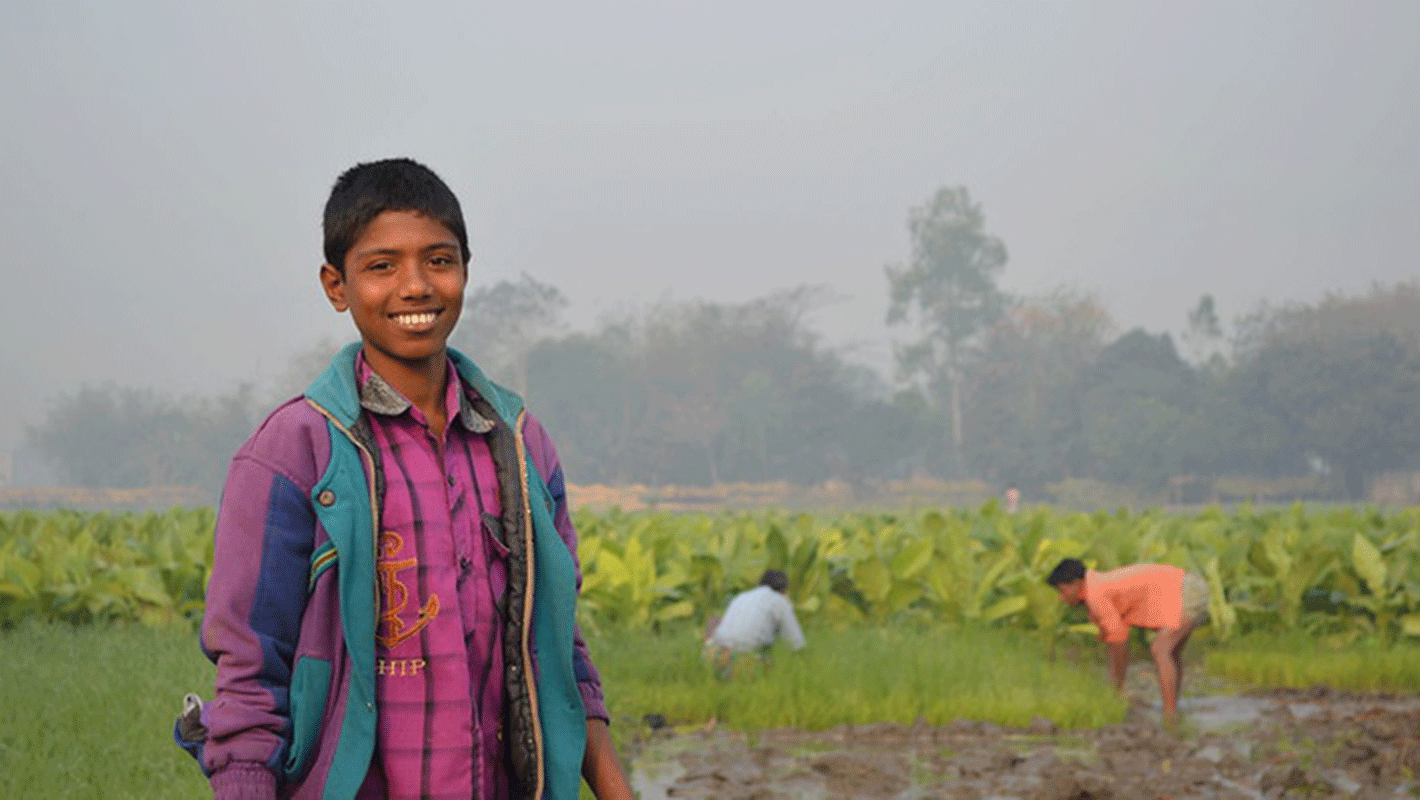
The Climate is Warming Up, So Farmers Are Adapting: 5 Ways We Support Them to Weather the Storm
Our lives depend on the sustainable production of safe, healthy, and affordable food – a challenge exacerbated by a growing population, a global pandemic, and a changing climate. At GAFSP, we will continue to support our partners on the ground as they strengthen their resilience.
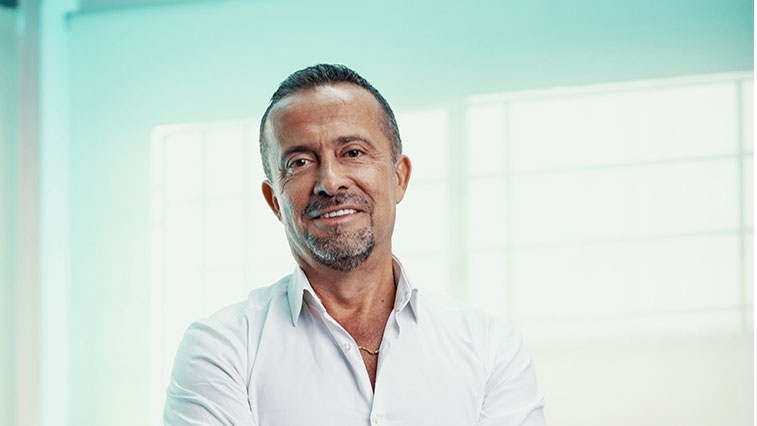
For Cargill Cocoa & Chocolate, the Impacts of COVID-19 Are Widespread
In this installment of our “COVID Conversations” series, we talk with Lionel Soulard, Cargill’s managing director for West Africa. IFC and GAFSP’s support to Cargill is helping the company professionalize and digitize Côte d'Ivoire’s cocoa sector. Soulard spoke with us recently about plummeting chocolate sales at airports, the challenges of online training with limited internet, and how the pandemic is accelerating digitization—and with it, opportunity.